Cargo Insurance for Iran
Ultimate Cargo Insurance Guide for International Trade | Iran Insurance Co.
🛡️ Ultimate Cargo Insurance Guide: Protecting Your International Trade with Iran 🚢
Navigate global risks with confidence. A complete handbook for importers, exporters, and logistics professionals.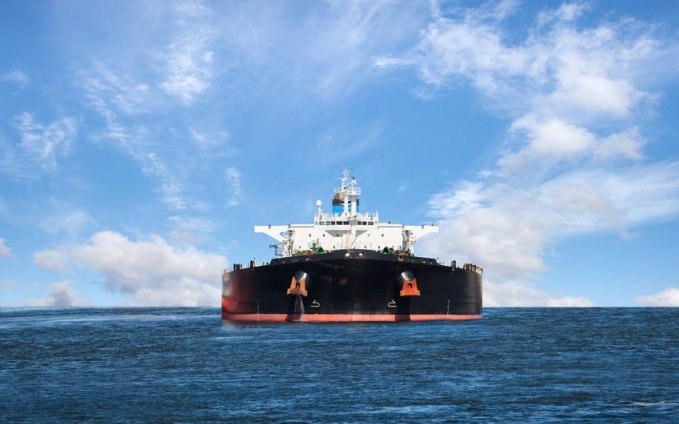
International trade is the lifeblood of the global economy, yet it moves through a landscape of unpredictability. For clients shipping goods to, from, or through Iran, understanding the nuances of Cargo Insurance is not just a regulatory formality—it is a critical financial firewall.
Whether you are moving heavy machinery through the port of Bandar Abbas or transporting consumer goods via the North-South Transit Corridor to CIS countries, the risks of long-haul transit are real. This guide demystifies marine insurance, moving beyond complex jargon to give you actionable strategies for protecting your bottom line.
Why Carrier Liability is Not Enough ⚠️
A common misconception among traders is that the shipping line or freight forwarder will fully reimburse them if cargo is damaged. This is rarely true. International conventions (like the Hague-Visby Rules) significantly limit carrier liability, often to a fraction of your cargo's actual value.
Cargo Insurance fills this gap. It ensures that if your shipment faces theft, damage, or a "General Average" event—where all parties share the cost of a ship's rescue—you are not left with a catastrophic financial loss. Securing your own policy with a reputable provider like Iran Insurance Company puts you in control of the coverage terms and the claims process.
Decoding the Clauses: A, B, and C 📦
Selecting the right policy does not have to be complicated. The Institute Cargo Clauses are the global standard. Here is how to choose the right one for your needs:
🔹 Clause A (All Risk)
This is the "Gold Standard." It covers almost every foreseeable risk including theft, breakage, and water damage. It is highly recommended for finished goods, consumer electronics, and fragile items.
🔹 Clause B (Intermediate)
A middle-ground option. It covers specific risks like fire, collision, and washing overboard, plus some additional water damage risks. It is often used for semi-finished goods.
🔹 Clause C (Minimum Cover)
This covers major catastrophes only: fire, explosion, stranding, or sinking. It is the most basic protection, typically suitable for bulk commodities like scrap metal, coal, or lumber where minor handling damage is not a concern.
For a deeper technical breakdown of these policies, you can visit our detailed page on Cargo Insurance Clauses.
Navigating Transit in Iran 🇮🇷
Iran serves as a vital bridge connecting Asia to Europe and the CIS region. Policies issued here must be robust enough to handle multimodal transport—shifting from sea freight at southern ports to rail or road for inland delivery.
Our network allows for rapid surveying and claim settlement across all Iranian provinces. Whether your goods are in a customs warehouse in Tehran or on a truck moving towards the Turkish border, local presence ensures that "acting as a prudent uninsured" (taking reasonable steps to minimize loss) is supported by our on-the-ground experts.
Frequently Asked Questions (FAQ) ❓
What is the difference between "All Risk" and "Total Loss" coverage?
"All Risk" (Clause A) covers partial damage, theft, and shortage, offering the broadest protection. "Total Loss" generally refers to catastrophic events where the entire shipment is destroyed or unrecoverable. Most international clients prefer All Risk for peace of mind.
Does my cargo insurance cover war and strikes?
Standard policies typically exclude War and Strikes, Riots, and Civil Commotion (SRCC). However, these can be added back into the policy for a small additional premium. given global geopolitical shifts, we highly recommend adding these clauses for international shipments.
How is the insured value of the cargo calculated?
The standard industry practice is to insure for 110% of the CIF (Cost, Insurance, and Freight) value. This extra 10% covers administrative costs and a portion of the anticipated profit associated with the shipment.
When does the insurance coverage actually begin and end?
Under standard "Warehouse to Warehouse" terms, coverage begins when the goods are moved in the warehouse for immediate loading and ends upon delivery to the final destination warehouse, or 60 days after discharge from the vessel (whichever comes first).
What documents are required to file a claim?
Key documents include the Original Insurance Policy, Bill of Lading, Commercial Invoice, Packing List, and an official Survey Report documenting the extent and cause of the damage. Immediate notification to the insurer is crucial.
Why do I need insurance if I buy on CIF terms?
If you are the buyer under CIF terms, the seller provides the insurance. However, you should verify the quality of their insurer. If the insurer is unreliable or unrated, you might struggle to get a claim paid. Many buyers purchase "Contingency Insurance" for this reason.
Can I insure used machinery or equipment?
Yes, but coverage for used goods is often more restricted. It is typically limited to "FPA" (Free of Particular Average) or Clause C conditions, meaning only total loss or major perils are covered, not minor scratches or dents.
What is "General Average" and why should I care?
General Average is a maritime law principle. If a captain voluntarily sacrifices cargo or incurs expense to save the ship (e.g., throwing containers overboard during a storm), ALL cargo owners must contribute to the cost. Your insurance policy covers this contribution.
Is packing covered by insurance?
No. "Insufficiency of Packing" is a standard exclusion. It is the shipper's duty to ensure goods are packed to withstand the normal rigors of transit. If damage results from poor packing, the claim may be denied.
Can I insure goods transiting through Iran to CIS countries?
Absolutely. Iran is a major transit hub for the CIS region. We offer specialized transit policies that cover the cargo from the port of entry in Iran all the way to the final destination in countries like Turkmenistan, Azerbaijan, or Uzbekistan.
How quickly are claims settled in Iran?
Claim speed depends on document accuracy. However, working with a top-tier provider like Iran Insurance Co. ensures access to a vast network of branches, significantly speeding up the survey and settlement process compared to foreign insurers without local presence.
What if my cargo is delayed?
Standard cargo policies cover physical loss or damage, not financial loss due to delay. Unless you have a specific extension for time-sensitive cargo, delay is generally excluded.
📚 Learn Global Standards
Understand the Incoterms rules that define your shipping responsibilities.
Visit ICC WBO
📝 Get a Quick Quote
Ready to ship? Fill out our simple cargo form to get a tailored insurance rate.
Start Inquiry
📞 Expert Consultation
Have complex transit needs? Speak directly with our international specialists.
Contact Us